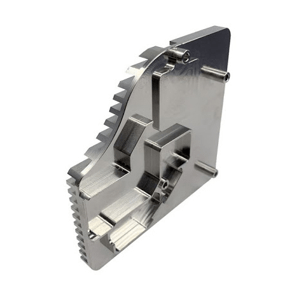
Detailed Description: Optical Communication Components Processing & Precision Machining
In the processing of optical communication components, real-time workpiece inspection is carried out during machining to detect and correct errors promptly. This method effectively avoids re-clamping and positioning errors caused by conventional post-processing inspection, shortens production time and greatly improves overall efficiency.
The adaptive control system can monitor changes in cutting conditions including cutting force and temperature, and automatically adjust cutting parameters to keep machine tools and cutting tools in optimal working status. This ensures high cutting efficiency, stable processing quality and extended tool service life.
Many factors affect the precision of metal processing, such as machine tool quality, material selection and even ambient temperature. Different customers also have significantly different precision requirements.
The manufacturing of high-precision components relies heavily on automation technology to achieve quality goals. In return, industrial automation depends on precision machining to ensure accuracy and reliability. Both are core pillars of modern advanced manufacturing technology.
Taking precision and ultra-precision machining as examples, the development of the computer industry requires strong support from both software and integrated circuit hardware. China’s integrated circuit manufacturing level directly affects the progress of the domestic computer industry.
Precision machining is completed by using high-precision machine tools and measuring instruments under strictly controlled environmental conditions.