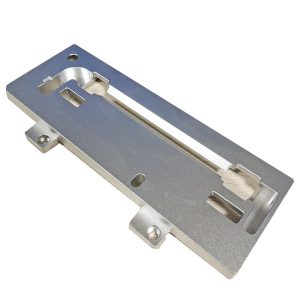
How to reduce the risk of damage during CNC machining of aluminum alloys?-3
5. Optimize Design and Process
Avoid sharp corners and uneven wall thickness in product design to reduce stress concentration. Optimize process flow and machining sequence based on aluminum alloy characteristics to minimize deformation and damage risks.
4. Monitor the Machining Process
Conduct real-time monitoring on cutting parameters, machine status and machining vibration. Handle abnormalities timely to prevent damage. Perform periodic inspections on dimensions, surface quality and material performance to ensure stability.
5. Optimize Design and Process
Avoid sharp corners and uneven wall thickness in product design to reduce stress concentration. Optimize process flow and machining sequence based on aluminum alloy characteristics to minimize deformation and damage risks.
3. Ensure Clamping and Fixing Stability
Adopt appropriate fixtures and reasonable clamping force to keep workpieces stable and avoid displacement or vibration. Use uniform clamping methods to prevent local stress concentration, workpiece deformation or damage.
4. Monitor the Machining Process
Conduct real-time monitoring on cutting parameters, machine status and machining vibration. Handle abnormalities timely to prevent damage. Perform periodic inspections on dimensions, surface quality and material performance to ensure stability.
5. Optimize Design and Process
Avoid sharp corners and uneven wall thickness in product design to reduce stress concentration. Optimize process flow and machining sequence based on aluminum alloy characteristics to minimize deformation and damage risks.
2. Proper Tool Cooling and Lubrication
Apply professional cutting fluid for cooling and lubrication to reduce cutting temperature, cutting force and workpiece deformation. Control the flow rate and supply of cutting fluid reasonably to ensure effective heat dissipation and tool protection.
3. Ensure Clamping and Fixing Stability
Adopt appropriate fixtures and reasonable clamping force to keep workpieces stable and avoid displacement or vibration. Use uniform clamping methods to prevent local stress concentration, workpiece deformation or damage.
4. Monitor the Machining Process
Conduct real-time monitoring on cutting parameters, machine status and machining vibration. Handle abnormalities timely to prevent damage. Perform periodic inspections on dimensions, surface quality and material performance to ensure stability.
5. Optimize Design and Process
Avoid sharp corners and uneven wall thickness in product design to reduce stress concentration. Optimize process flow and machining sequence based on aluminum alloy characteristics to minimize deformation and damage risks.
1. Use Suitable Cutting Tools
Select high-speed steel or cemented carbide tools specially designed for aluminum alloy machining, which feature high hardness and wear resistance to reduce damage risks. Optimize tool geometric parameters such as cutting edge angle and radius to minimize vibration and cutting force.
2. Proper Tool Cooling and Lubrication
Apply professional cutting fluid for cooling and lubrication to reduce cutting temperature, cutting force and workpiece deformation. Control the flow rate and supply of cutting fluid reasonably to ensure effective heat dissipation and tool protection.
3. Ensure Clamping and Fixing Stability
Adopt appropriate fixtures and reasonable clamping force to keep workpieces stable and avoid displacement or vibration. Use uniform clamping methods to prevent local stress concentration, workpiece deformation or damage.
4. Monitor the Machining Process
Conduct real-time monitoring on cutting parameters, machine status and machining vibration. Handle abnormalities timely to prevent damage. Perform periodic inspections on dimensions, surface quality and material performance to ensure stability.
5. Optimize Design and Process
Avoid sharp corners and uneven wall thickness in product design to reduce stress concentration. Optimize process flow and machining sequence based on aluminum alloy characteristics to minimize deformation and damage risks.
Detailed Description: Damage Prevention Measures in Aluminum Alloy CNC Machining
In the CNC machining process of aluminum alloy, reducing the risk of damage is the key to ensuring product quality and production efficiency. The following are specific measures and suggestions:
1. Use Suitable Cutting Tools
Select high-speed steel or cemented carbide tools specially designed for aluminum alloy machining, which feature high hardness and wear resistance to reduce damage risks. Optimize tool geometric parameters such as cutting edge angle and radius to minimize vibration and cutting force.
2. Proper Tool Cooling and Lubrication
Apply professional cutting fluid for cooling and lubrication to reduce cutting temperature, cutting force and workpiece deformation. Control the flow rate and supply of cutting fluid reasonably to ensure effective heat dissipation and tool protection.
3. Ensure Clamping and Fixing Stability
Adopt appropriate fixtures and reasonable clamping force to keep workpieces stable and avoid displacement or vibration. Use uniform clamping methods to prevent local stress concentration, workpiece deformation or damage.
4. Monitor the Machining Process
Conduct real-time monitoring on cutting parameters, machine status and machining vibration. Handle abnormalities timely to prevent damage. Perform periodic inspections on dimensions, surface quality and material performance to ensure stability.
5. Optimize Design and Process
Avoid sharp corners and uneven wall thickness in product design to reduce stress concentration. Optimize process flow and machining sequence based on aluminum alloy characteristics to minimize deformation and damage risks.