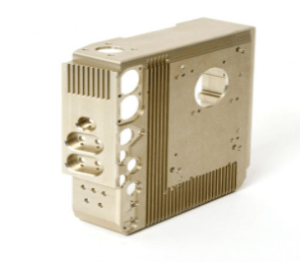
What are the solutions for uneven surfaces of tool parts after processing-4
5. Improve Processing Environmental Conditions
Keep the workshop clean to avoid dust and impurities scratching mold surfaces. Control temperature and humidity reasonably to minimize mold deformation and surface irregularities caused by environmental changes.
Provide professional training for operators to ensure standardized operation. Carry out regular mold maintenance, clean surface dust and iron filings, inspect wear conditions, and solve problems timely to reduce surface defects.
5. Improve Processing Environmental Conditions
Keep the workshop clean to avoid dust and impurities scratching mold surfaces. Control temperature and humidity reasonably to minimize mold deformation and surface irregularities caused by environmental changes.
3. Select High-Quality Materials & Heat Treatment
Choose mold materials with stable quality, uniform composition and no internal defects. Implement proper heat treatment such as quenching and tempering to improve material hardness, toughness and internal structure, which effectively eliminates surface unevenness.
Provide professional training for operators to ensure standardized operation. Carry out regular mold maintenance, clean surface dust and iron filings, inspect wear conditions, and solve problems timely to reduce surface defects.
5. Improve Processing Environmental Conditions
Keep the workshop clean to avoid dust and impurities scratching mold surfaces. Control temperature and humidity reasonably to minimize mold deformation and surface irregularities caused by environmental changes.
2. Improve Machining Process
Strictly control key machining parameters including cutting speed, feed rate and cutting depth to ensure stable and consistent processing. Select high-quality, professional cutters and tools to reduce vibration and tool wear, and significantly improve surface flatness.
3. Select High-Quality Materials & Heat Treatment
Choose mold materials with stable quality, uniform composition and no internal defects. Implement proper heat treatment such as quenching and tempering to improve material hardness, toughness and internal structure, which effectively eliminates surface unevenness.
Provide professional training for operators to ensure standardized operation. Carry out regular mold maintenance, clean surface dust and iron filings, inspect wear conditions, and solve problems timely to reduce surface defects.
5. Improve Processing Environmental Conditions
Keep the workshop clean to avoid dust and impurities scratching mold surfaces. Control temperature and humidity reasonably to minimize mold deformation and surface irregularities caused by environmental changes.
1. Optimize Mold Design & Structure
Reasonably design the mold structure to avoid stress concentration during stamping or forming, and effectively reduce surface unevenness. Improve machining precision of mold components to ensure accurate fitting and eliminate surface defects caused by poor assembly.
2. Improve Machining Process
Strictly control key machining parameters including cutting speed, feed rate and cutting depth to ensure stable and consistent processing. Select high-quality, professional cutters and tools to reduce vibration and tool wear, and significantly improve surface flatness.
3. Select High-Quality Materials & Heat Treatment
Choose mold materials with stable quality, uniform composition and no internal defects. Implement proper heat treatment such as quenching and tempering to improve material hardness, toughness and internal structure, which effectively eliminates surface unevenness.
Provide professional training for operators to ensure standardized operation. Carry out regular mold maintenance, clean surface dust and iron filings, inspect wear conditions, and solve problems timely to reduce surface defects.
5. Improve Processing Environmental Conditions
Keep the workshop clean to avoid dust and impurities scratching mold surfaces. Control temperature and humidity reasonably to minimize mold deformation and surface irregularities caused by environmental changes.
Detailed Description: Solutions to Uneven Machined Surface of Mold Parts
The uneven surface of machined mold parts may be caused by various factors, including mold design, machining process, material quality and operating specifications. The following effective solutions can be adopted to solve this problem:
1. Optimize Mold Design & Structure
Reasonably design the mold structure to avoid stress concentration during stamping or forming, and effectively reduce surface unevenness. Improve machining precision of mold components to ensure accurate fitting and eliminate surface defects caused by poor assembly.
2. Improve Machining Process
Strictly control key machining parameters including cutting speed, feed rate and cutting depth to ensure stable and consistent processing. Select high-quality, professional cutters and tools to reduce vibration and tool wear, and significantly improve surface flatness.
3. Select High-Quality Materials & Heat Treatment
Choose mold materials with stable quality, uniform composition and no internal defects. Implement proper heat treatment such as quenching and tempering to improve material hardness, toughness and internal structure, which effectively eliminates surface unevenness.
Provide professional training for operators to ensure standardized operation. Carry out regular mold maintenance, clean surface dust and iron filings, inspect wear conditions, and solve problems timely to reduce surface defects.
5. Improve Processing Environmental Conditions
Keep the workshop clean to avoid dust and impurities scratching mold surfaces. Control temperature and humidity reasonably to minimize mold deformation and surface irregularities caused by environmental changes.