How to clean a large CNC machining center-9
IV. Additional Maintenance Notes
Keep the workshop environment clean and ventilated to prevent dust entry. Maintain ventilation and heat dissipation systems regularly. Follow the official manual for periodic maintenance including accuracy inspection, fastener tightening and transmission system lubrication.
Provide professional training for operators to master correct cleaning and maintenance methods, enhancing operational skills and equipment protection awareness.
III. Regular In-depth Cleaning
Clean oil tanks and filters periodically to remove sludge and impurities, and replace aged lubricating oil and coolant. Inspect and replace wearing parts such as cutters, drawbars and bearings in time.
Check and clean the electrical system including power components, sensors and wiring, repairing loose or damaged connections immediately to ensure stable operation.
IV. Additional Maintenance Notes
Keep the workshop environment clean and ventilated to prevent dust entry. Maintain ventilation and heat dissipation systems regularly. Follow the official manual for periodic maintenance including accuracy inspection, fastener tightening and transmission system lubrication.
Provide professional training for operators to master correct cleaning and maintenance methods, enhancing operational skills and equipment protection awareness.
II. Daily Cleaning
Wipe the machine exterior, control panel and display to remove dust and oil stains without corrosive cleaners. Clean the interior, protective covers and electrical cabinets with a vacuum or air gun, focusing on guide rails, spindle taper holes, tool magazines and arm systems to eliminate accumulated chips and dust.
Clean and lubricate guide rails and lead screws regularly to reduce friction and wear. Gently wipe grating rulers and precision sensors to maintain detection accuracy.
III. Regular In-depth Cleaning
Clean oil tanks and filters periodically to remove sludge and impurities, and replace aged lubricating oil and coolant. Inspect and replace wearing parts such as cutters, drawbars and bearings in time.
Check and clean the electrical system including power components, sensors and wiring, repairing loose or damaged connections immediately to ensure stable operation.
IV. Additional Maintenance Notes
Keep the workshop environment clean and ventilated to prevent dust entry. Maintain ventilation and heat dissipation systems regularly. Follow the official manual for periodic maintenance including accuracy inspection, fastener tightening and transmission system lubrication.
Provide professional training for operators to master correct cleaning and maintenance methods, enhancing operational skills and equipment protection awareness.
I. Preparation Stage
Prepare necessary tools including clean cotton cloth, vacuum cleaner, air gun, professional cleaning agent, lubricating oil, grease, screwdrivers and wrenches. Turn off the main power supply completely before cleaning to ensure safety and avoid electric shock hazards.
II. Daily Cleaning
Wipe the machine exterior, control panel and display to remove dust and oil stains without corrosive cleaners. Clean the interior, protective covers and electrical cabinets with a vacuum or air gun, focusing on guide rails, spindle taper holes, tool magazines and arm systems to eliminate accumulated chips and dust.
Clean and lubricate guide rails and lead screws regularly to reduce friction and wear. Gently wipe grating rulers and precision sensors to maintain detection accuracy.
III. Regular In-depth Cleaning
Clean oil tanks and filters periodically to remove sludge and impurities, and replace aged lubricating oil and coolant. Inspect and replace wearing parts such as cutters, drawbars and bearings in time.
Check and clean the electrical system including power components, sensors and wiring, repairing loose or damaged connections immediately to ensure stable operation.
IV. Additional Maintenance Notes
Keep the workshop environment clean and ventilated to prevent dust entry. Maintain ventilation and heat dissipation systems regularly. Follow the official manual for periodic maintenance including accuracy inspection, fastener tightening and transmission system lubrication.
Provide professional training for operators to master correct cleaning and maintenance methods, enhancing operational skills and equipment protection awareness.
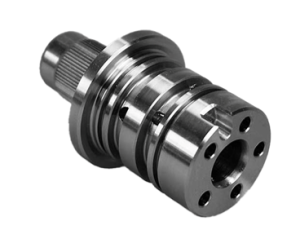
Detailed Description: Cleaning Methods for Large CNC Machining Centers
Cleaning is a meticulous and critical process for large CNC machining centers, which directly affects the operational accuracy and service life of the machine. The following standard procedures and recommendations help keep the equipment in optimal condition:
I. Preparation Stage
Prepare necessary tools including clean cotton cloth, vacuum cleaner, air gun, professional cleaning agent, lubricating oil, grease, screwdrivers and wrenches. Turn off the main power supply completely before cleaning to ensure safety and avoid electric shock hazards.
II. Daily Cleaning
Wipe the machine exterior, control panel and display to remove dust and oil stains without corrosive cleaners. Clean the interior, protective covers and electrical cabinets with a vacuum or air gun, focusing on guide rails, spindle taper holes, tool magazines and arm systems to eliminate accumulated chips and dust.
Clean and lubricate guide rails and lead screws regularly to reduce friction and wear. Gently wipe grating rulers and precision sensors to maintain detection accuracy.
III. Regular In-depth Cleaning
Clean oil tanks and filters periodically to remove sludge and impurities, and replace aged lubricating oil and coolant. Inspect and replace wearing parts such as cutters, drawbars and bearings in time.
Check and clean the electrical system including power components, sensors and wiring, repairing loose or damaged connections immediately to ensure stable operation.
IV. Additional Maintenance Notes
Keep the workshop environment clean and ventilated to prevent dust entry. Maintain ventilation and heat dissipation systems regularly. Follow the official manual for periodic maintenance including accuracy inspection, fastener tightening and transmission system lubrication.
Provide professional training for operators to master correct cleaning and maintenance methods, enhancing operational skills and equipment protection awareness.