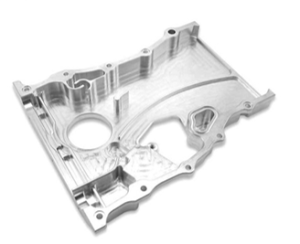
How to extend the service life of CNC machined parts?–7
7. Operator Training
Provide systematic training for operators to master correct operation and daily maintenance methods, reducing equipment damage and failures caused by improper operation.
6. Professional Maintenance & Repair
Arrange professional engineers to perform equipment maintenance and repair to ensure quality, reliability and long-term stable performance.
7. Operator Training
Provide systematic training for operators to master correct operation and daily maintenance methods, reducing equipment damage and failures caused by improper operation.
5. Regular Equipment Maintenance
Clean chips and dust from CNC equipment daily. Use protective covers when idle to prevent dust entry. Lubricate all key points regularly as required by the manual to ensure smooth operation.
Weekly maintenance: Clean heat exchanger filters, remove chips from cooling tanks, check tool changer operation.
Monthly maintenance: Inspect guide rail lubrication, clean limit switches, check and replace hydraulic and lubrication oil.
Regularly check electrical connections and cutting fluid circulation systems to ensure stable and safe operation.
6. Professional Maintenance & Repair
Arrange professional engineers to perform equipment maintenance and repair to ensure quality, reliability and long-term stable performance.
7. Operator Training
Provide systematic training for operators to master correct operation and daily maintenance methods, reducing equipment damage and failures caused by improper operation.
4. Proper Use of Cutting Fluid
Apply suitable cutting fluid to reduce cutting heat, cool tools and workpieces, reduce friction and wear, and effectively prolong service life of tools and parts.
5. Regular Equipment Maintenance
Clean chips and dust from CNC equipment daily. Use protective covers when idle to prevent dust entry. Lubricate all key points regularly as required by the manual to ensure smooth operation.
Weekly maintenance: Clean heat exchanger filters, remove chips from cooling tanks, check tool changer operation.
Monthly maintenance: Inspect guide rail lubrication, clean limit switches, check and replace hydraulic and lubrication oil.
Regularly check electrical connections and cutting fluid circulation systems to ensure stable and safe operation.
6. Professional Maintenance & Repair
Arrange professional engineers to perform equipment maintenance and repair to ensure quality, reliability and long-term stable performance.
7. Operator Training
Provide systematic training for operators to master correct operation and daily maintenance methods, reducing equipment damage and failures caused by improper operation.
3. Adopt High-Quality Cutting Tools
Use high-performance tools made of high-speed steel, cemented carbide and other premium materials to improve durability. Optimize tool angles, cutting depth and width to enhance cutting efficiency and extend tool lifespan.
4. Proper Use of Cutting Fluid
Apply suitable cutting fluid to reduce cutting heat, cool tools and workpieces, reduce friction and wear, and effectively prolong service life of tools and parts.
5. Regular Equipment Maintenance
Clean chips and dust from CNC equipment daily. Use protective covers when idle to prevent dust entry. Lubricate all key points regularly as required by the manual to ensure smooth operation.
Weekly maintenance: Clean heat exchanger filters, remove chips from cooling tanks, check tool changer operation.
Monthly maintenance: Inspect guide rail lubrication, clean limit switches, check and replace hydraulic and lubrication oil.
Regularly check electrical connections and cutting fluid circulation systems to ensure stable and safe operation.
6. Professional Maintenance & Repair
Arrange professional engineers to perform equipment maintenance and repair to ensure quality, reliability and long-term stable performance.
7. Operator Training
Provide systematic training for operators to master correct operation and daily maintenance methods, reducing equipment damage and failures caused by improper operation.
2. Optimize Cutting Parameters
Set reasonable cutting speed and feed rate based on material properties and processing requirements. Avoid excessive parameters that accelerate cutting edge wear. Control cutting force properly to reduce processing temperature and extend the service life of tools and machines.
3. Adopt High-Quality Cutting Tools
Use high-performance tools made of high-speed steel, cemented carbide and other premium materials to improve durability. Optimize tool angles, cutting depth and width to enhance cutting efficiency and extend tool lifespan.
4. Proper Use of Cutting Fluid
Apply suitable cutting fluid to reduce cutting heat, cool tools and workpieces, reduce friction and wear, and effectively prolong service life of tools and parts.
5. Regular Equipment Maintenance
Clean chips and dust from CNC equipment daily. Use protective covers when idle to prevent dust entry. Lubricate all key points regularly as required by the manual to ensure smooth operation.
Weekly maintenance: Clean heat exchanger filters, remove chips from cooling tanks, check tool changer operation.
Monthly maintenance: Inspect guide rail lubrication, clean limit switches, check and replace hydraulic and lubrication oil.
Regularly check electrical connections and cutting fluid circulation systems to ensure stable and safe operation.
6. Professional Maintenance & Repair
Arrange professional engineers to perform equipment maintenance and repair to ensure quality, reliability and long-term stable performance.
7. Operator Training
Provide systematic training for operators to master correct operation and daily maintenance methods, reducing equipment damage and failures caused by improper operation.
1. Reasonable Selection of Processing Materials
Select materials with suitable hardness and strength matching the performance of CNC machines. Avoid excessively hard or high-strength materials to reduce wear on cutting tools and machine components.
2. Optimize Cutting Parameters
Set reasonable cutting speed and feed rate based on material properties and processing requirements. Avoid excessive parameters that accelerate cutting edge wear. Control cutting force properly to reduce processing temperature and extend the service life of tools and machines.
3. Adopt High-Quality Cutting Tools
Use high-performance tools made of high-speed steel, cemented carbide and other premium materials to improve durability. Optimize tool angles, cutting depth and width to enhance cutting efficiency and extend tool lifespan.
4. Proper Use of Cutting Fluid
Apply suitable cutting fluid to reduce cutting heat, cool tools and workpieces, reduce friction and wear, and effectively prolong service life of tools and parts.
5. Regular Equipment Maintenance
Clean chips and dust from CNC equipment daily. Use protective covers when idle to prevent dust entry. Lubricate all key points regularly as required by the manual to ensure smooth operation.
Weekly maintenance: Clean heat exchanger filters, remove chips from cooling tanks, check tool changer operation.
Monthly maintenance: Inspect guide rail lubrication, clean limit switches, check and replace hydraulic and lubrication oil.
Regularly check electrical connections and cutting fluid circulation systems to ensure stable and safe operation.
6. Professional Maintenance & Repair
Arrange professional engineers to perform equipment maintenance and repair to ensure quality, reliability and long-term stable performance.
7. Operator Training
Provide systematic training for operators to master correct operation and daily maintenance methods, reducing equipment damage and failures caused by improper operation.
Detailed Description: Reasonable Selection & Use of CNC Processing Materials & Equipment Maintenance
1. Reasonable Selection of Processing Materials
Select materials with suitable hardness and strength matching the performance of CNC machines. Avoid excessively hard or high-strength materials to reduce wear on cutting tools and machine components.
2. Optimize Cutting Parameters
Set reasonable cutting speed and feed rate based on material properties and processing requirements. Avoid excessive parameters that accelerate cutting edge wear. Control cutting force properly to reduce processing temperature and extend the service life of tools and machines.
3. Adopt High-Quality Cutting Tools
Use high-performance tools made of high-speed steel, cemented carbide and other premium materials to improve durability. Optimize tool angles, cutting depth and width to enhance cutting efficiency and extend tool lifespan.
4. Proper Use of Cutting Fluid
Apply suitable cutting fluid to reduce cutting heat, cool tools and workpieces, reduce friction and wear, and effectively prolong service life of tools and parts.
5. Regular Equipment Maintenance
Clean chips and dust from CNC equipment daily. Use protective covers when idle to prevent dust entry. Lubricate all key points regularly as required by the manual to ensure smooth operation.
Weekly maintenance: Clean heat exchanger filters, remove chips from cooling tanks, check tool changer operation.
Monthly maintenance: Inspect guide rail lubrication, clean limit switches, check and replace hydraulic and lubrication oil.
Regularly check electrical connections and cutting fluid circulation systems to ensure stable and safe operation.
6. Professional Maintenance & Repair
Arrange professional engineers to perform equipment maintenance and repair to ensure quality, reliability and long-term stable performance.
7. Operator Training
Provide systematic training for operators to master correct operation and daily maintenance methods, reducing equipment damage and failures caused by improper operation.