Lathe Parts Machining-5
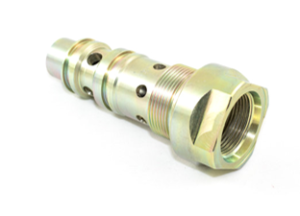
Detailed Description: Lathe Part Processing
Lathe part processing is an important branch of mechanical machining. It mainly includes two processing modes: one is fixing the lathe tool and rotating the workpiece for machining; the other is fixing the workpiece, and realizing precision machining through the workpiece rotation and the lateral & longitudinal movement of the lathe tool.
Various tools such as drills, core drills, reamers, taps, dies and knurling tools can be used for corresponding processing on lathes. Lathes are mainly used to process shafts, discs, sleeves and other rotary surface workpieces, which are the most widely used machine tools in machinery manufacturing and maintenance plants.
Key Advantages of Lathe Part Processing
- High Dimensional & Coaxiality Precision
During processing, the workpiece rotates around a fixed axis, ensuring high coaxiality between different machined surfaces and stable machining precision. - Stable Cutting Process
The lathe processing is generally continuous without frequent cutting impact, which effectively ensures surface quality and machining stability. - Ideal for Non-ferrous Metal Finish Machining
For non-ferrous metals with low hardness and good plasticity, lathe processing can easily achieve high smoothness and excellent surface finish. - Simple & Easy-to-operate Cutting Tools
Lathe tools feature simple structure, convenient manufacturing, grinding and installation, allowing users to set optimal angles for different processing requirements.